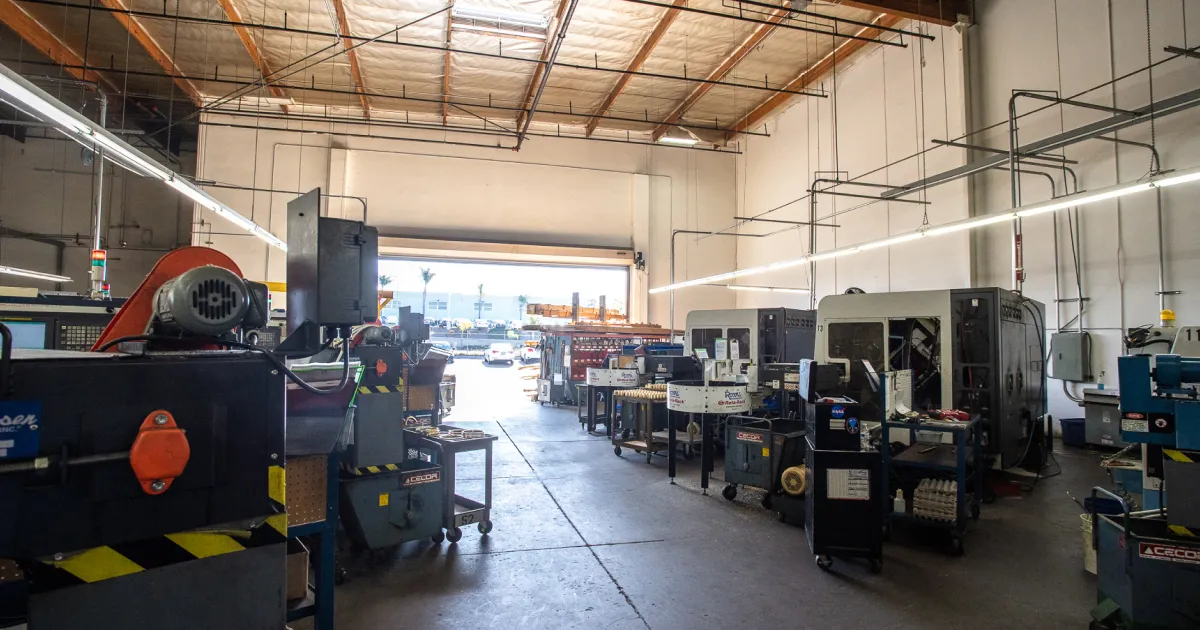
Key Messages
- Manufacturing projects can be a strong fit for SBA 504. Qualifying projects may include owner-occupied commercial real estate, construction, facility improvements, and long-term production equipment. Working capital and inventory generally fall outside standard SBA 504 uses.
- The lender remains central to the financing. A typical SBA 504 structure allows a lender to retain the senior-lien position while a CDC/SBA-backed loan is secured by a junior lien.
- Manufacturing deals benefit from a whole-project review. Specialized facilities, environmental history, utility upgrades, equipment installation, and construction schedules can affect financing structure, costs, and timing.
- Lenders have the option to bring in CDC Small Business Finance early in the project life cycle. It’s a good idea to kick off an initial conversation about the property in question, the project budget, any equipment requirements, existing challenges, and the expected timeline.
- Qualifying manufacturers may benefit from temporary SBA 504 fee relief. For eligible manufacturers in NAICS Sectors 31–33, SBA is waiving the upfront guaranty fee and annual service fee on qualifying loans approved from October 1, 2026, through September 30, 2027.
Have a manufacturing client with a facility, expansion, or equipment project? Contact us to discuss the proposed transaction.
If a manufacturer wants to purchase a larger building, upgrade its electrical service, and install major equipment for a new production line, the lender has to evaluate the costs for commercial real estate, construction, machinery, and possibly additional cash needed to support the manufacturer’s operations.
SBA 504 manufacturing loans may provide a financing path for the eligible long-term fixed assets in such a project. The lender and Certified Development Company (CDC) partner to finance up to 90 percent of the project with the lender maintaining a senior position in the joint collateral.
At CDC Small Business Finance, part of the Momentus Capital family of organizations, we work with lenders to review manufacturing projects before financing decisions are finalized. The starting point is understanding what the manufacturer plans to build, buy, or improve.
Why SBA 504 Can Work for Manufacturing Projects
Manufacturing businesses often make substantial investments in facilities and machinery with a plan to support production for years to come. Those purchases can align with the SBA 504 program’s focus on long-term fixed assets.
A typical SBA 504 transaction has three parts:
- Up to 50 percent: A bank or other private lender provides the senior loan.
- Up to 40 percent: A CDC loan, backed by an SBA-guaranteed debenture, finances another portion.
- At least 10 percent: The borrower contributes equity, with higher contributions required in some cases.
With a 50 percent investment, the partnering lender retains its first-mortgage position and establishes its own loan terms while dramatically reducing its liability, while the CDC/SBA-backed portion of an SBA 504 loan offers a fixed-rate the borrower can depend on.
For lenders, this arrangement creates another way to finance a qualifying manufacturing investment while continuing to serve the client. The complete project budget, borrower contribution, and ability to repay the loan still determine whether the structure works.
📌 2027 Manufacturing Fee Update: For the 2027 fiscal year, the SBA is waiving the upfront guaranty fee and annual service fee on eligible SBA 504 loans for manufacturers classified under North American Industry Classification System (NAICS) Sectors 31–33. The waiver applies to loans approved between October 1, 2026, and September 30, 2027, giving qualifying manufacturers an opportunity to reduce financing costs during this period.
Three Manufacturing Projects That May Fit SBA 504
1. Buying an Owner-Occupied Manufacturing Facility
A manufacturer may be purchasing the building it currently leases, relocating to a larger property, or acquiring a facility with enough production space for planned growth and equipment.
The SBA 504 program can finance owner-occupied commercial real estate. The lender should identify the purchase price, planned occupancy, property use, and any improvements needed before production begins.
An existing industrial property may also require environmental review or an appraisal that considers any needed improvements. These details can affect the project and its costs well before a loan closes. So, it’s important to review them early.
2. Expanding or Modernizing a Plant
Making an addition to a building, renovating the production floor, or making any major electrical upgrade can involve costs beyond the original construction estimate.
Qualifying construction and permanent improvements may fit SBA 504. Lenders should review beforehand the proposed scope, contractor budget, permits, and schedule.
For example, a new production line may require an upgrade to the electrical system before new machinery can be used. That work belongs in the initial discussion of the project rather than as an unexpected expense after financing has been structured.
3. Purchasing Long-Life Production Equipment
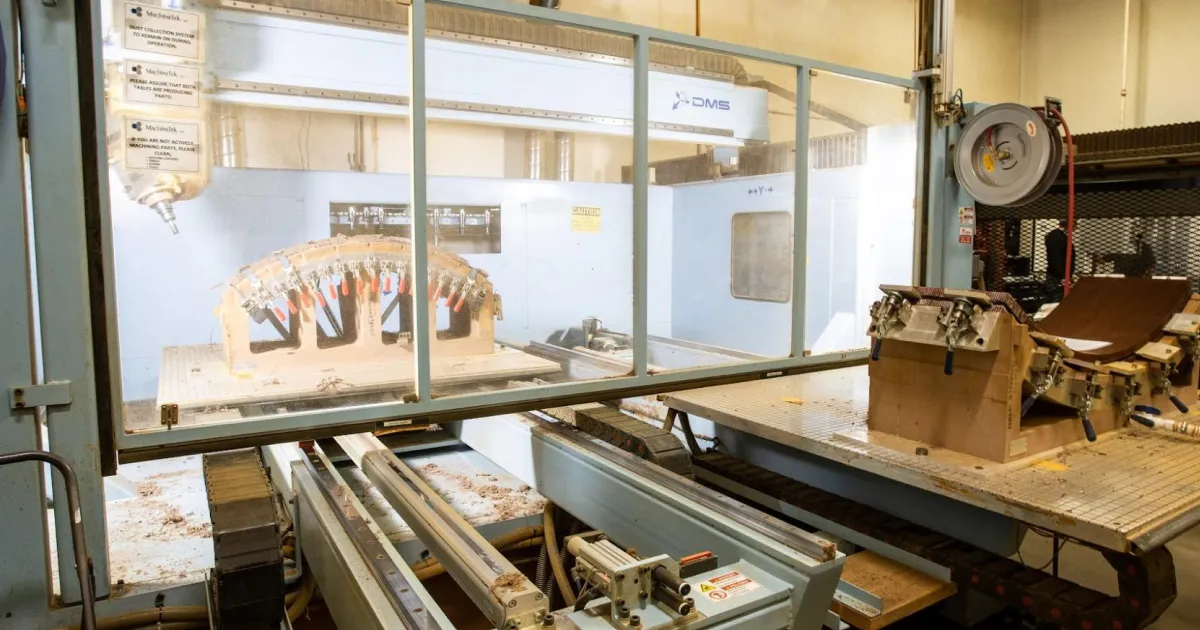
Major production equipment such as computer numerical control (CNC) machinery, automated production lines, and printing presses may qualify for financing. To meet SBA requirements, any purchased equipment must have a minimum remaining useful life of 10 years.
The lender should gather vendor quotes, equipment specifications, installation costs, and delivery dates. If equipment is purchased alongside real estate or renovations, the project budget should separate the uses of funds.
The review also needs to account for when the machinery will be installed and ready for production.
One of the benefits of SBA 504 financing for manufacturers is that a large project where both commercial real estate as well as machinery and equipment need to be financed can be set up as two different projects to accommodate SBA loan size limits, if necessary. Lenders considering large projects should discuss with our team the best way to leverage the flexibility of SBA 504 financing.
Manufacturing SBA 504 Quick Screen
Does your manufacturing project deserve a closer look? Use the quick screen below to see the potential SBA 504 fit, issues to flag early, and what to send CDC Small Business Finance.
Have a manufacturing deal that fits? Bring CDC Small Business Finance into the conversation before the financing structure is locked in. Contact us today.
Quick-screen only. SBA 504 eligibility and project structure depend on the specific transaction. CDC Small Business Finance can review proposed uses and project details before the lender finalizes the financing structure.
Manufacturing Lending Issues to Flag Early
Manufacturing properties and equipment projects can create complications that are not seen as often in straightforward commercial building purchases.
- Environmental history. Previous industrial uses, chemical handling, and current production activities may affect environmental due diligence. The property’s history and intended use should be identified so the correct inspections or reviews can be completed.
- Specialized facilities. A building designed around a particular manufacturing process may require closer attention to valuation and its future marketability. Customized improvements do not make a property ineligible, but their effect on the appraisal needs to be considered.
- Utilities and infrastructure. Electrical, ventilation, water, wastewater systems, and other property upgrades may be central to the manufacturer’s plans. A preliminary construction budget should account for the improvements required to operate the equipment proposed for the property.
- Working capital and inventory. A manufacturer may need cash for materials, payroll, or production while also financing a building or machinery. Ordinary working capital and inventory do not fit standard SBA 504 project uses. The lender should identify those needs separately rather than assuming one financing product can cover every cost.
- Installation and timing. Equipment delivery, permits, construction, and commissioning can follow different schedules. The lender should work with the borrower to establish when each part of the project is expected to be complete.
Our SBA 504 loan timeline explains how appraisal, environmental review, construction, initial closing, and debenture funding affect transaction timing.
Have Questions About a Manufacturing Deal?
CDC Small Business Finance can help lenders identify potential SBA 504 financing options and address questions early in the process. Contact us.
SBA 504 Loan Requirements Lenders Should Check Early
An initial SBA 504 review starts with the operating business, the proposed assets, and the intended use of the requested financing.
The lender should establish whether the manufacturer meets applicable SBA business and size requirements, can repay the loan, and has an eligible fixed-asset project.
Real estate transactions must meet the owner-occupancy rule of 51 percent occupancy. Machinery and equipment must satisfy the program’s useful-life requirement of 10 years.
The borrower contribution and proposed financing structure also need review. A typical 10 percent contribution should not be assumed for every transaction.
Our SBA 504 loan requirements guide provides additional eligibility information. We can discuss a potential transaction before the lender completes the formal SBA package.
What to Send CDC Small Business Finance for an Initial Review
A short project summary is enough for CDC Small Business Finance to begin identifying where the potential questions lie.
The most useful starting information is:
- Borrower: Business name, manufacturing activity, and recent tax returns and financial statements for the business and its owners
- Property: Address, purchase price, current use, and proposed owner occupancy
- Project costs: Preliminary budget separated into real estate, construction, improvements, and equipment
- Equipment: Vendor quotes, specifications, remaining useful life, and installation schedule
- Known issues: Environmental history, appraisal concerns, utilities, zoning, permits and possible specialized improvements, such as interior buildouts, facility modernizations, site work, or green energy installations
- Timing and structure: Target closing date and proposed bank loan terms
This is an initial-review list, not a complete SBA application checklist. Additional documentation will depend on the transaction.
Frequently Asked Questions About SBA 504 Manufacturing Loans
Can SBA 504 finance manufacturing equipment?
Yes. Qualifying long-term machinery and equipment with a minimum remaining useful life of 10 years is eligible. Equipment costs, specifications, and installation requirements should be reviewed as part of the proposed project.
Can an SBA 504 loan finance working capital or inventory?
Ordinary working capital and inventory are not eligible uses under standard SBA 504 project financing. Manufacturers with both fixed-asset and operating needs may require separate financing. CertainSBA 504 refinancing provisions have different rules and require specific review. Working capital can be provided when doing a 504 Refinance Project
How much does a borrower typically contribute?
A typical SBA 504 project includes a borrower contribution of at least 10 percent. Some projects require more, depending on the business and property. The contribution should be confirmed before the financing structure is finalized.
How long does an SBA 504 loan take to close?
A straightforward property purchase generally closes in 60 days after the CDC receives a complete package. Other types of purchases, ones that involve construction or major equipment installation, may have a different schedule. Timing depends on the completeness of the file, appraisal and environmental work, permits, and other project conditions. See our SBA 504 loan timeline for planning ranges.
Bring Us the Manufacturing Project Before the Structure is Final
A manufacturing project can include several eligible fixed assets alongside costs that require separate financing. An early review with CDC Small Business Finance can help establish which expenses best fit an owner-occupied SBA 504 loan, what documentation is needed, and which issues could affect the loan.
Our SBA 504 team works with banks, credit unions, and other lending partners to evaluate these opportunities.
Have a manufacturing client planning a facility purchase, expansion, or major equipment investment?
Contact CDC Small Business Finance to review the proposed project.
This article provides general information, not legal advice. Consult qualified legal counsel for legal questions and confirm transaction-specific requirements with CDC Small Business Finance.